
by Lutz Sager
, 10.11.26
With ESSEC Knowledge Editor-in-chief
Climate change and pollution impact us all - but as recent research finds, the burden is not borne equally. Lutz Sager, assistant professor of economics at ESSEC Business School and an environmental economist, found in research published in the Journal of Environmental Economics and Management that air pollution exposure is another form of inequality, with some countries experiencing much more harmful amounts of pollution (1). The global divide in air quality has also increased over the last few decades, underscoring the importance of factoring air quality into the conversation on climate change and environmental justice.
How can we measure air inequality?
Dr. Sager combined population data with the concentration of PM2.5, using a framework traditionally used for analyzing economic inequality. PM2.5 refers to the number of fine particles smaller than 2.5 μm in a cubic meter of air - and is one of the most dangerous pollutants for our health, as its tiny size means it finds its way easily into our lungs. He looked at changes in the concentration of PM2.5 between 2000 and 2020.
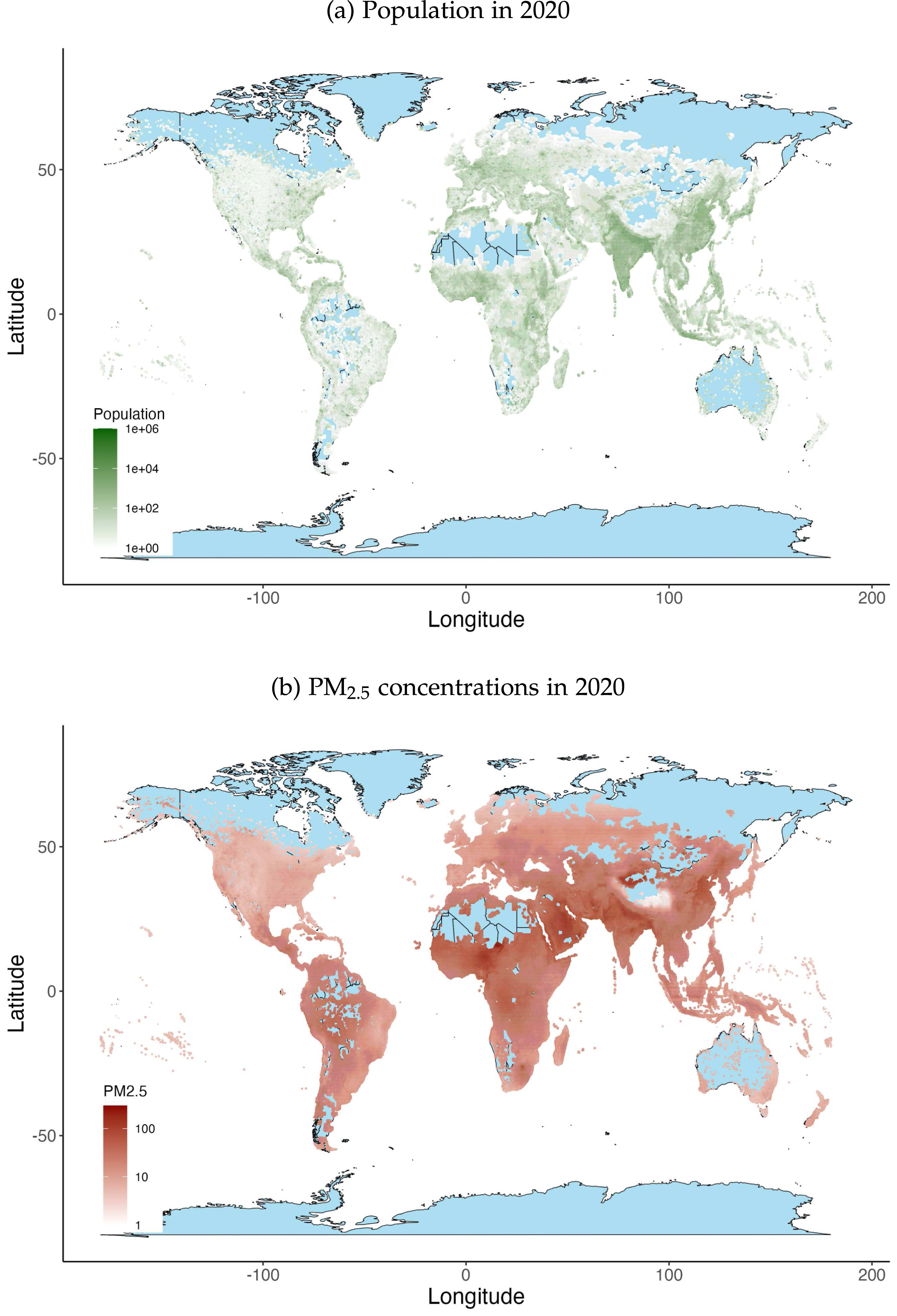
Figure 1. Sample coverage of population and population data (Sager, 2025).
The analysis showed that global air inequality is higher between countries than within countries, and that the gap is widening. With much of the existing research focusing on air quality variance within a given country, this sheds light on how conditions vary between countries. Many countries with poor air quality have experienced rising pollution since 2000, whereas countries that started out less polluted, such as European and North American nations, have seen their pollution stabilize or even drop. What’s more, the level of air inequality is comparable and sometimes even worse than the degree of income inequality.
Dr. Sager identified that poor air quality tended to cluster in certain geographic areas, dubbed “The Choking Billion”. This includes parts of India, Pakistan, Bangladesh, Nepal, China, Nigeria and Saudi Arabia.
This has a significant impact on population health: the study also found that the inequality of mortality associated with poor air quality is even higher than poor air inequality. Dr. Sager found that people living in these areas experience higher rates of deaths caused by pollution-linked ailments including strokes, lung cancer, and Chronic obstructive pulmonary disease. Indeed, the “Choking Billion” faces a 57% higher mortality rate linked to PM2.5 than does the rest of the world, and thus a disproportionate amount of the health burden linked to air pollution.
This indicates that the burden on population health is also greater in specific countries. Many of these countries also face challenging economic situations and have fewer resources to tackle the challenges associated with polluted air.
What could explain this inequality?
Dr. Sager identified a number of factors that could be leading to this increasingly disparate distribution of pollution.
-
Local policies: A key driver of air pollution levels comes from the policy framework in a given location. Notably, the observed reductions of air pollution in Europe and North America suggest that more ambitious environmental regulation is paying off. Meanwhile, many parts of Asia and South America continue to experience high and increasing PM2.5 exposure.
-
Economic development: Areas with rapid economic growth often tend to be areas with high and growing pollution levels.
-
Population changes: A growing population as well as increasing urbanization also play roles.
-
Industrialization: Increased industrial production was also connected to air inequality, though it only explained a small extent of the difference between countries.
These drivers may be contributing to global air inequality, but they are mere pieces of a still-incomplete puzzle: Dr. Sager notes that more work must be done to fully understand the existence of the “Choking Billion”.
What’s next for environmental justice?
Dr. Sager continues to conduct work exploring the intersection between economic growth and the environment, with a recent project exploring green growth bestowed a Starting Grant from the European Research Council. As he notes, there is a disparity in our access to clean air and this disparity is growing wider and wider. This form of environmental injustice that has hitherto gone understudied and underexplored, and must be addressed moving forward. This suggests that international efforts on environmental justice should concentrate their efforts on the areas most impacted by global air inequality. Recent work by Dr. Sager that documents encouraging reductions in air pollution levels in China since the government launched a systematic policy campaign in 2013 are a cause for hope that similar improvements can be achieved elsewhere in the world (2).
References
Sager, L. (2025). Global air quality inequality over 2000–2020. Journal of Environmental Economics and Management, 130, 103112.
Sager, L. (2025). Estimating the effect of China’s 2013 Air Pollution Prevention and Control Action Plan. CESifo Working Paper. ifo Institute - Leibniz Institute for Economic Research at the University of Munich